
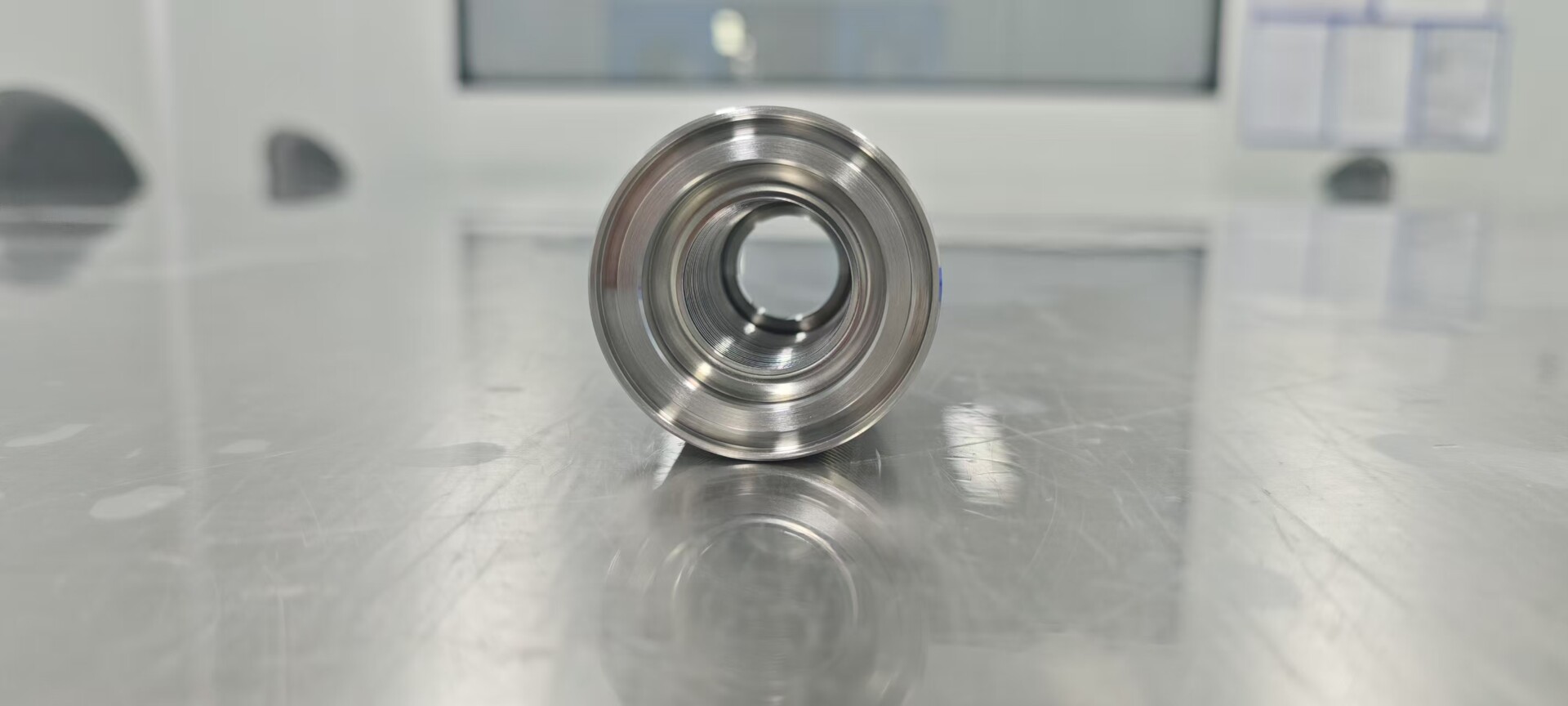
Edge Welded Bellows Materials: 316L vs AM350 vs Inconel 718
The material of an edge welded bellows determines its strength, corrosion resistance, temperature capability, fatigue life, and cost. Choosing the wrong alloy is the most common cause of premature bellows failure. This guide compares the three most widely used materials — 316L stainless steel, AM350, and Inconel 718 — so you can specify the right one the first time.
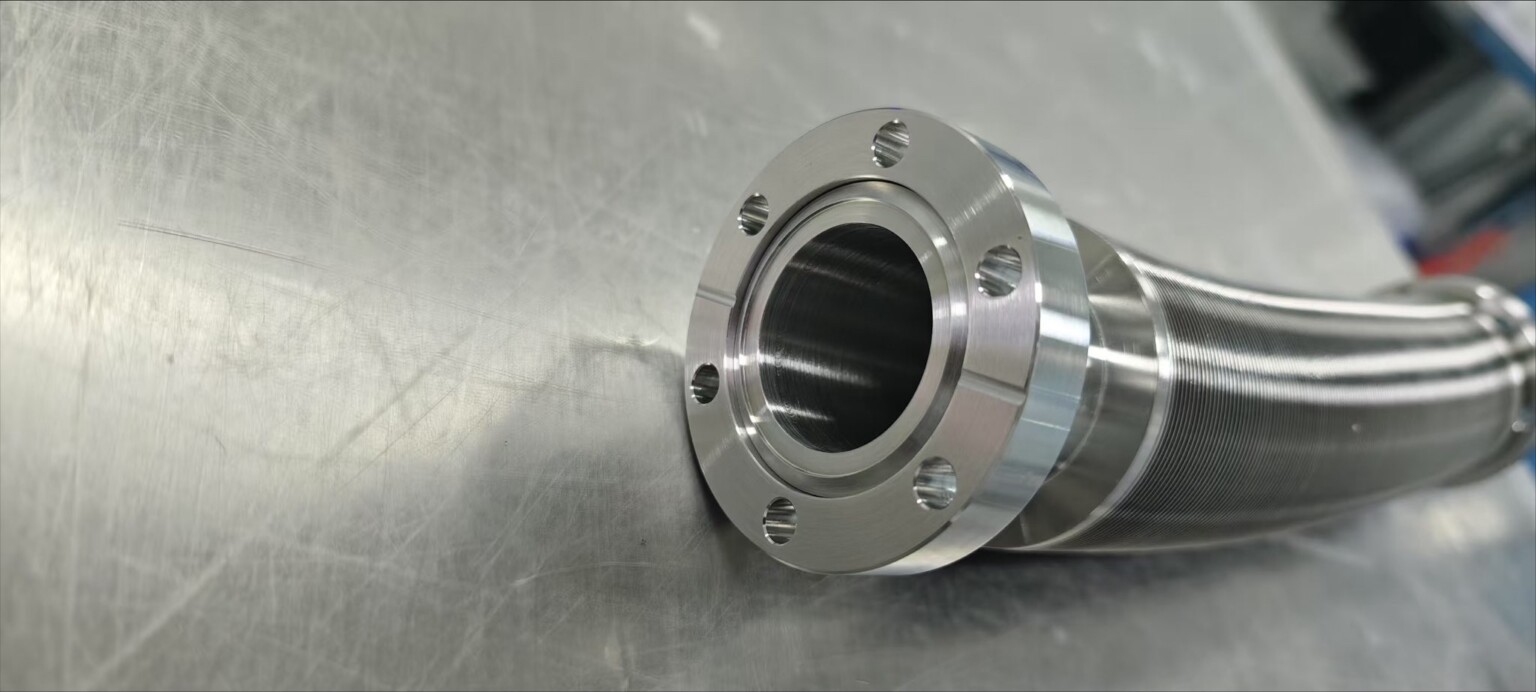
Material Comparison at a Glance
| Property | 316L Stainless | AM350 | Inconel 718 |
|---|---|---|---|
| Type | Austenitic stainless | Precipitation-hardening stainless | Nickel superalloy |
| Typical tensile strength (aged) | ~620 MPa | ~1380 MPa | ~1400 MPa |
| Max continuous service temp | ~650 °C | ~540 °C | ~700 °C |
| Corrosion resistance | Excellent (general) | Good | Excellent (acidic, chloride) |
| Magnetic | No (annealed) | Yes (aged) | No |
| Weldability | Excellent | Good (age-hardened after weld) | Good (requires care) |
| Relative cost | $ | $$ | $$$ |
| Typical use | General vacuum, standard products | High-cycle UHV, aerospace, instruments | High temp, corrosive, aerospace |
316L Stainless Steel — The Workhorse
316L is the default material for edge welded bellows. It offers excellent general corrosion resistance, is easy to weld, and is readily available at a reasonable cost. The low-carbon (“L”) grade avoids carbide precipitation at weld heat-affected zones, preserving corrosion resistance.
Choose 316L when: your environment is standard industrial or vacuum, temperatures stay below ~650 °C, and cost matters. Most of our standard products — including short-stroke, long-travel, and KF flange edge welded bellows — are manufactured in 316L.
AM350 — High Strength for UHV and High-Cycle Service
AM350 is a precipitation-hardening stainless steel that reaches roughly double the strength of 316L after aging. That strength allows thinner diaphragms and more compact bellows for the same pressure, or higher cycle life for the same envelope. AM350 also has a low coefficient of thermal expansion, which improves stability in precision applications.
Choose AM350 when: you need maximum cycle life, compact high-strength design, or UHV-grade performance. Example: our AM350 square-flange edge welded bellows.
Inconel 718 — High Temperature and Corrosive Service
Inconel 718 is a nickel-based superalloy that keeps its strength at high temperatures and survives harsh corrosive media that would attack stainless steel. It is the standard choice for aerospace actuators, jet engine accessories, and chemical processing equipment.
Choose Inconel 718 when: temperatures exceed ~540 °C, media is highly corrosive, or aerospace specifications apply.
Other Materials Worth Knowing
- 321 stainless — titanium-stabilized, good for repeated temperature cycling up to ~800 °C.
- Hastelloy C-276 — extreme corrosion resistance in aggressive chemical media.
- Titanium — lightweight and corrosion-resistant, used in specialized aerospace and medical applications.
- Phosphor bronze and beryllium copper — used for smaller bellows where non-magnetic or electrically conductive properties are needed.
How to Specify the Material
- Define your service temperature and media (what the bellows touches).
- Define pressure, stroke, and required cycle life.
- Check magnetic and cleanliness requirements.
- Select the alloy from the table, then confirm weldability and availability with your manufacturer.
Still unsure? Send your working conditions to our engineering team and we will recommend the material and design. For background on design parameters, see the welded bellows specifications and edge welded bellows technical guide.
FAQ
What is the best material for edge welded bellows?
There is no single “best” material. 316L covers most standard applications; AM350 is preferred for high-strength UHV designs; Inconel 718 for high temperature and corrosive environments.
Are AM350 bellows magnetic?
Aged AM350 is magnetic. If you need non-magnetic bellows, choose 316L or Inconel 718.
Can edge welded bellows be made from titanium?
Yes. Titanium bellows are used in specialized aerospace and medical applications where weight and corrosion resistance are critical.