
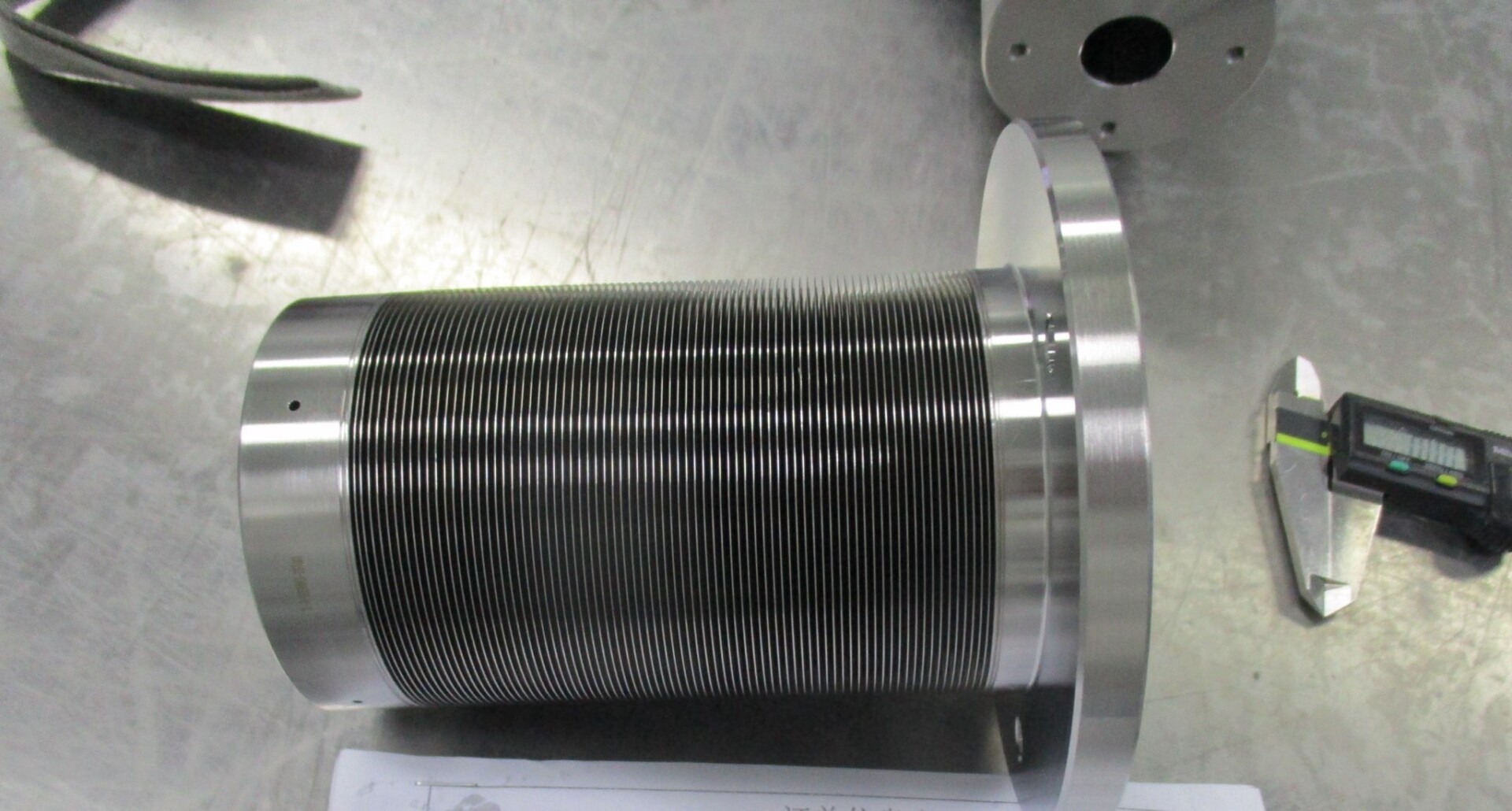
Custom Edge Welded Bellows: 10 Specifications You Must Define
Buying custom edge welded bellows is a technical conversation, not a product selection. If you leave out a critical parameter, the bellows may fail early, leak, or cost far more than necessary. This checklist covers the ten specifications that let our engineers quote and build the right bellows on the first attempt.
1. Inner Diameter (ID) and Outer Diameter (OD)
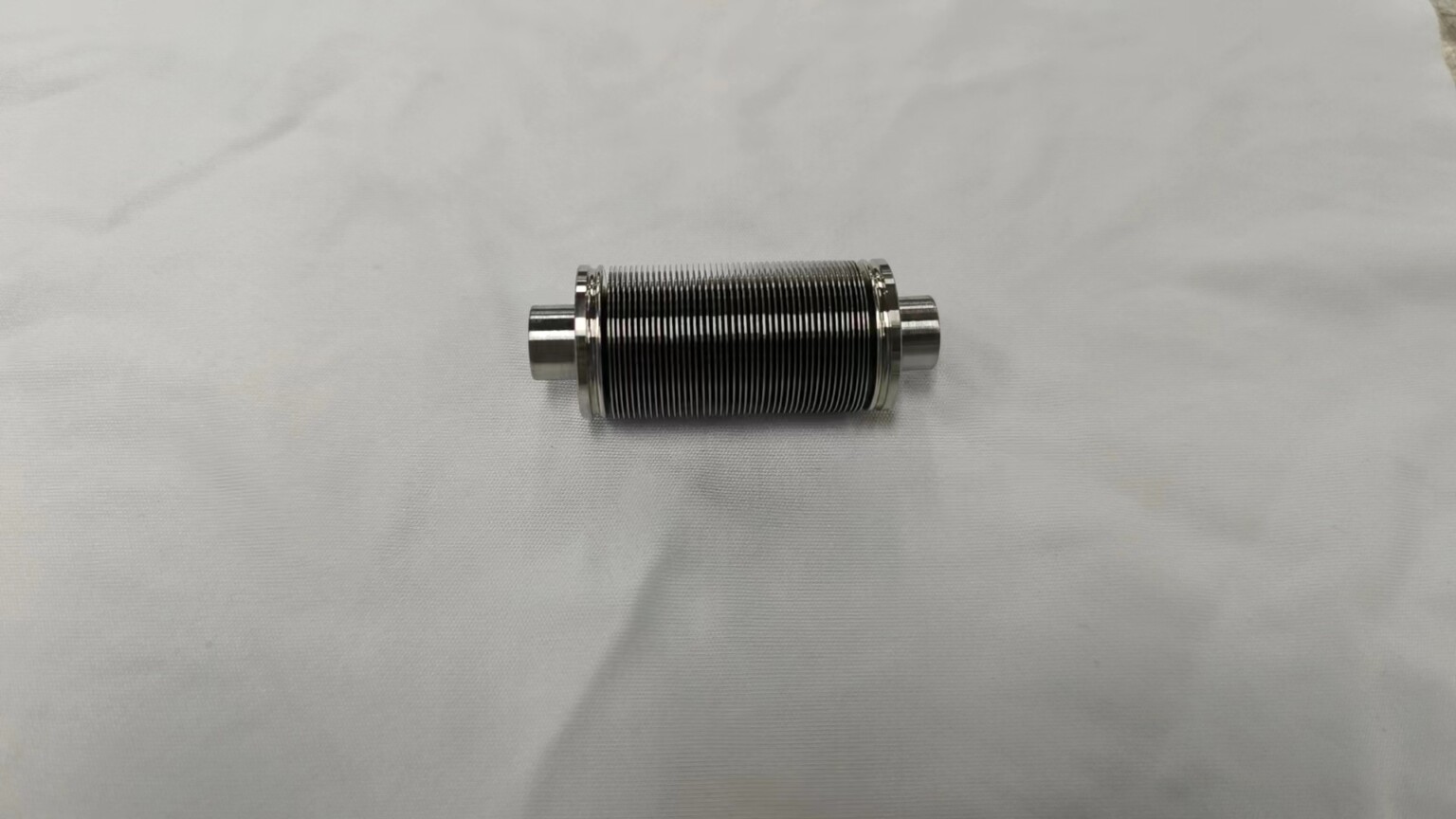
These define the envelope and connect to your system geometry. OD and ID, together with the number of convolutions, determine most other mechanical properties. Also state whether you have a fitting diameter requirement for a specific flange (KF, CF, ISO) or tube size.
2. Stroke and Free Length
Define the working stroke (compression, extension, or both), plus the free length and the installed length range. Edge welded bellows can deliver long strokes relative to body length — but only if the designer knows the envelope in both directions. See our welded bellows specs for typical values.
3. Working Pressure
State internal pressure (positive, negative/vacuum, or both) and the maximum test pressure. Thin diaphragms are excellent in vacuum but need reinforcement rings or thicker material for high positive pressure. Pressure rating interacts strongly with material and diaphragm thickness.
4. Required Cycle Life
How many cycles must the bellows survive at full stroke? 10,000, 100,000, or millions of cycles changes the design completely (thinner diaphragms + more convolutions = longer life). Alpha Technology validates cycle life on test rigs and can supply test data.
5. Material
Choose the alloy from our material selection guide: 316L for standard service, AM350 for high-strength UHV, Inconel 718 for high temperature or corrosive media. If you don’t know, tell us the media and temperature and we will recommend.
6. Operating Temperature Range
Temperature affects strength, fatigue life, and material stability. Note the continuous temperature and any excursion peaks (e.g., bakeout at 200 °C for UHV systems).
7. End Fittings
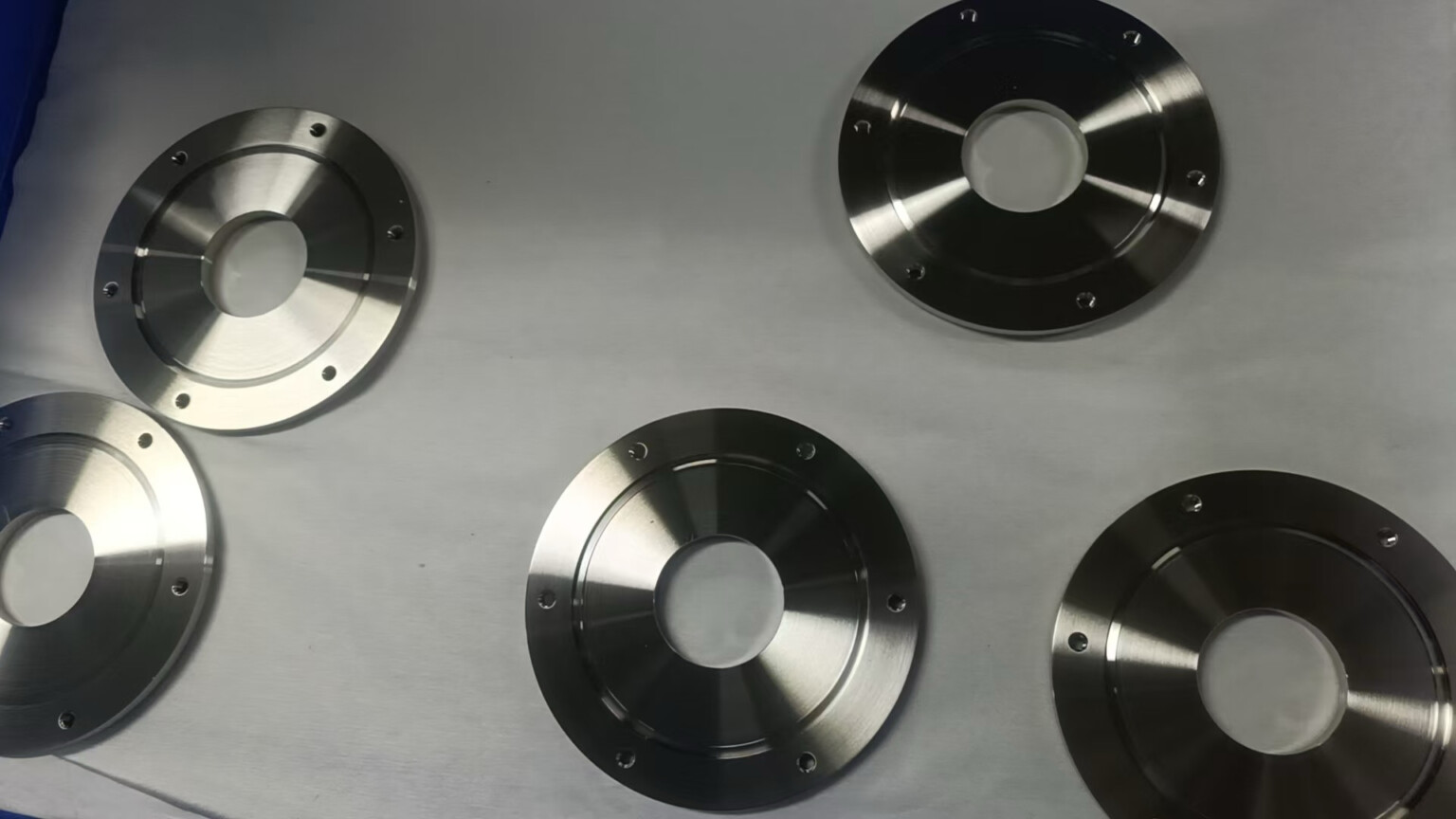
Specify the terminations: plain tube ends, KF/CF/ISO flanges, weld flanges, or custom plates. End-fitting weld distortion must be controlled, so exact flange standards (e.g., CF 2.75″) help us machine and weld precisely.
8. Leak Rate Requirement
For vacuum or instrument service, state the acceptable helium leak rate. Production capability is ≤ 1×10⁻⁹ Pa·m³/s; if you don’t need that level, cost can be reduced.
9. Spring Rate / Force
If your actuator or mechanism has force limits, specify the allowable spring rate (N/mm) or the force at maximum stroke. Spring rate is a function of diaphragm thickness, diameter, material, and convolution count — we can tune it within reason.
10. Environment and Cleanliness
State whether the application is clean-room, UHV, marine, chemical, or outdoor. This determines cleaning, packaging, surface finish, and whether exotic materials or special coatings are required.
How to Send Us Your Specification
The fastest path is a drawing (PDF or CAD) plus the values above. If you only have rough numbers, that is fine — our engineers will propose a design, materials, and price. Typical response time is one business day. Contact our engineering team, or start from our edge welded bellows technical guide and design guide to prepare your inquiry.
FAQ
What is the lead time for custom edge welded bellows?
Standard custom designs are typically 2–4 weeks depending on quantity, material, and size. Prototypes can be faster — ask us for a timeline with your quote.
What is the minimum order quantity?
We accept prototype quantities from 1 piece, so you can validate before committing to production volumes.
Can you reverse-engineer an existing bellows?
Yes. Send us a sample or drawing and we will measure and reproduce the design, including materials analysis.
Do you provide free engineering support?
Yes. Design consultation and material recommendations are free before ordering. Browse our products to see standard options.