
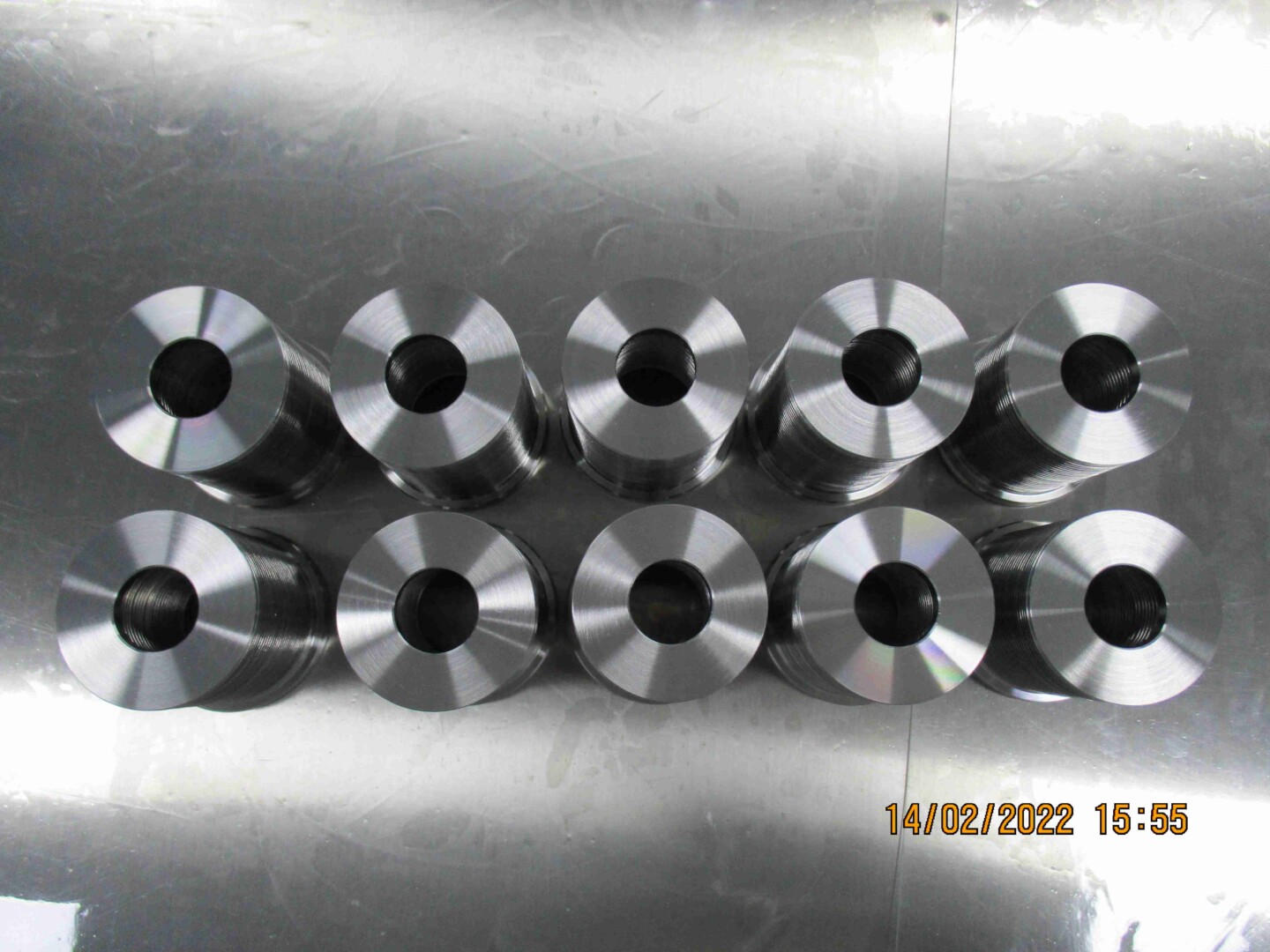
What Are Edge Welded Bellows?
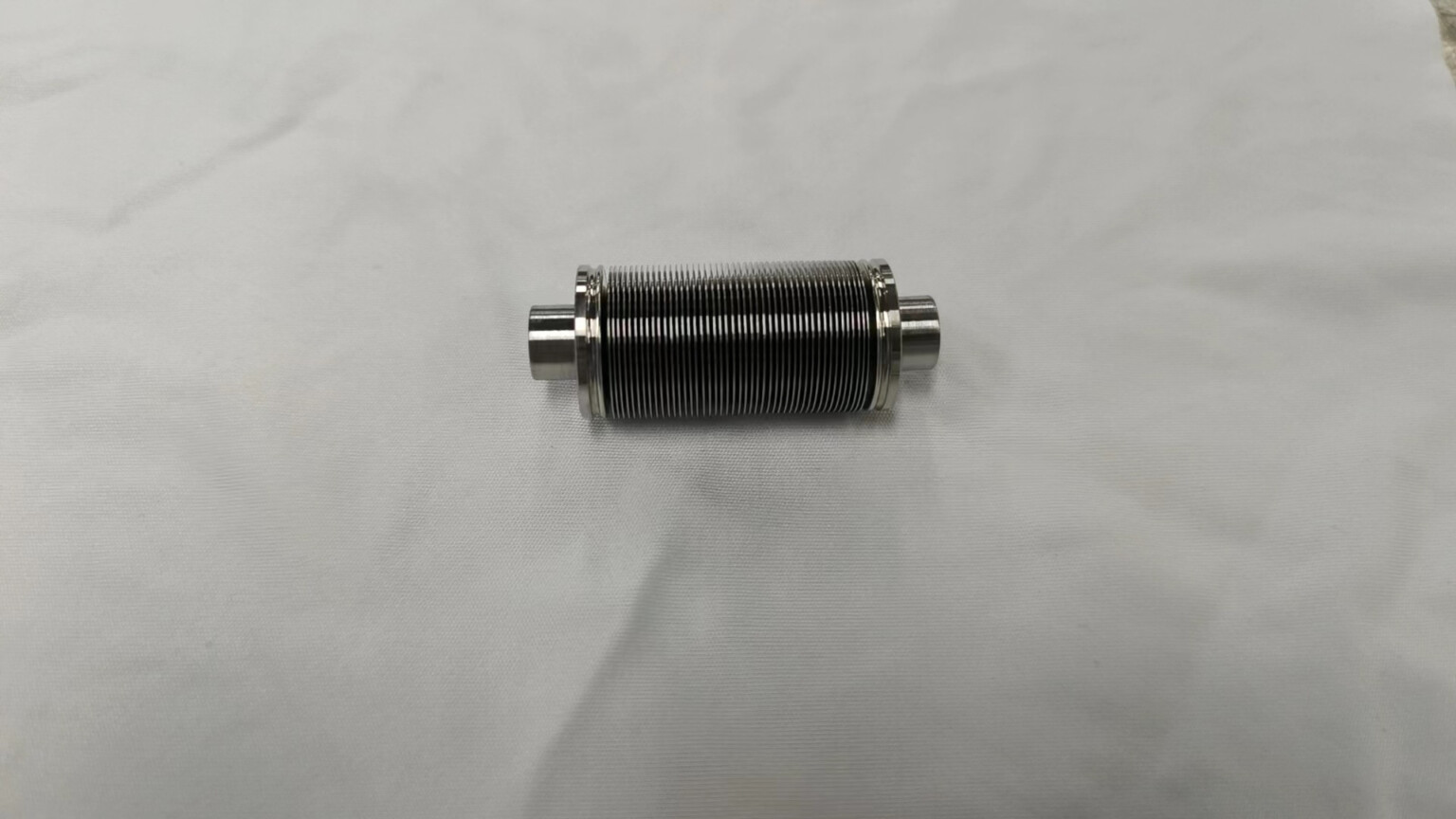
Edge welded bellows are thin-walled metal bellows made by alternately welding stamped metal diaphragms at their inner and outer diameters. Each diaphragm is typically 0.05–0.3 mm thick, and the welds are made with precision laser or TIG welding in a single continuous pass. The result is a highly flexible, leak-tight expansion element that can absorb axial movement, lateral offset, and angular misalignment while maintaining vacuum integrity.
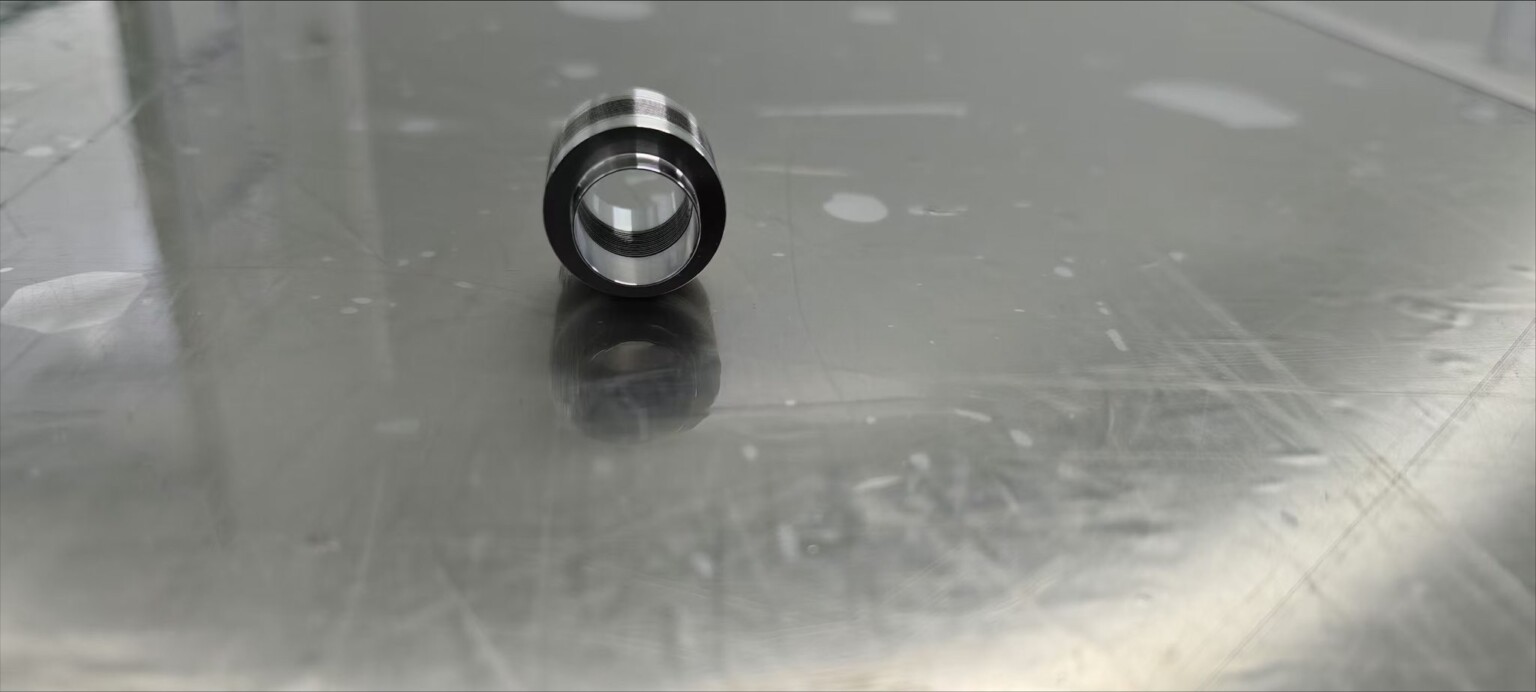
Because each convolution is formed by a weld seam, edge welded bellows can be manufactured from a much wider range of materials and can achieve far longer stroke-to-length ratios than formed bellows. They are the standard choice for high-vacuum (HV) and ultra-high-vacuum (UHV) systems, semiconductor equipment, aerospace actuators, and precision instruments.
What Are Formed Bellows?
Formed (hydroformed or mechanically formed) bellows are made from a seamless tube that is expanded under internal hydraulic pressure, or formed by rolling, into a corrugated profile. The convolutions are continuous with the tube wall, so there are no weld seams between convolutions.
Formed bellows are typically manufactured from a narrower range of materials (most commonly stainless steel), and their wall thickness is usually greater than edge welded diaphragms. They are widely used in industrial piping, expansion joints, valve stem seals, and applications where the operating pressure is high and the required stroke is moderate.
Key Differences: Edge Welded vs Formed Bellows
| Property | Edge Welded Bellows | Formed Bellows |
|---|---|---|
| Manufacturing | Stamped diaphragms welded at inner/outer diameter | Seamless tube expanded or rolled into shape |
| Wall thickness | Very thin (0.05–0.3 mm) | Thicker (0.1–1.5 mm typical) |
| Flexibility / stroke | Excellent; long stroke relative to free length | Moderate |
| Cycle life | Very high (millions of cycles possible) | High, but lower than edge welded for same envelope |
| Pressure rating | Lower per convolution; can be reinforced | Higher per convolution |
| Size range | Very small IDs (3 mm) to large (500+ mm) | Usually medium to large sizes |
| Materials | 316L, 321, AM350, Inconel, Hastelloy, titanium, etc. | Mostly austenitic stainless steel |
| Leak tightness | Excellent; helium leak rate < 1×10⁻⁹ Pa·m³/s achievable | Good |
| Typical cost | Higher (precision welding) | Lower for simple profiles |
| Best suited for | Vacuum, UHV, motion control, instrumentation | Industrial piping, pressure seals, expansion joints |
When to Choose Edge Welded Bellows
Choose edge welded bellows when your application requires any of the following:
- Ultra-high vacuum or clean environments — semiconductor tools, particle accelerators, synchrotron beamlines, and scientific instruments rely on edge welded bellows because the thin diaphragms and continuous welds minimize virtual leaks and outgassing.
- Long stroke in a compact envelope — because each convolution is a thin weld-seamed disc, designers can stack many convolutions to achieve long travel without a long body.
- Millions of cycles — fatigue-sensitive applications such as valve stem seals, positioners, and actuator covers.
- Exotic materials — AM350, Inconel 718, Hastelloy, or titanium where corrosion resistance or temperature rating exceeds standard stainless steel.
- Small diameters — precision bellows as small as 3 mm ID for instruments and feedthroughs.
Browse our full range of edge welded bellows products, including short stroke, long travel, AM350 square flange, and KF flange configurations.
When to Choose Formed Bellows
Choose formed bellows when the priority is cost and the operating envelope is generous:
- High-pressure industrial service — steam, hot oil, chemical transfer lines where pressure ratings matter more than stroke efficiency.
- Expansion joints and vibration dampers — piping systems that need thermal expansion compensation.
- Larger sizes — where a thin-welded diaphragm would be impractical.
- Budget-sensitive OEM applications — where a simple formed profile meets the specification.
Alpha Technology also manufactures high-performance formed bellows and formed bellows assemblies when the application is better served by a formed design.
Can They Be Combined? Yes — Assemblies
Many real-world components combine both technologies. A vacuum feedthrough, for example, may use an edge welded bellows for the moving seal and a formed section for pressure containment. Alpha Technology designs and builds complete vacuum feedthroughs and bellows assemblies with either technology, depending on your performance targets.
How to Decide — Quick Checklist
- Operating pressure: > 10 bar? → consider formed or reinforced edge welded.
- Stroke requirement: long stroke in short length? → edge welded.
- Environment: UHV / semiconductor / clean? → edge welded.
- Cycle life: > 1 million cycles? → edge welded.
- Temperature > 500 °C or corrosive media? → exotic alloys, edge welded.
- Cost is the only driver? → formed bellows.
Still not sure? Send us your working conditions and we will recommend the right technology free of charge. Contact our engineers with your drawing or specification, or read our edge welded bellows technical guide and design & selection guide for deeper background.
FAQ
Are edge welded bellows better than formed bellows?
Not universally — it depends on the application. Edge welded bellows win on flexibility, stroke efficiency, cycle life, material choice, and vacuum performance. Formed bellows win on cost and high-pressure capability. Use the checklist above to match the technology to your operating conditions.
What is the helium leak rate of an edge welded bellows?
With proper welding and leak testing, Alpha Technology edge welded bellows can achieve helium leak rates below 1×10⁻⁹ Pa·m³/s, suitable for UHV service.
Can edge welded bellows handle high pressure?
Yes, with reinforcement rings or nested convolutions. Pressure capability depends on diameter, wall thickness, and material. Tell us your pressure and envelope and we will size the bellows accordingly.
What materials can be used for edge welded bellows?
Common choices are 316L and 321 stainless steel, precipitation-hardening AM350, Inconel 718, Hastelloy C-276, and titanium. See our bellows material selection guide for details.