
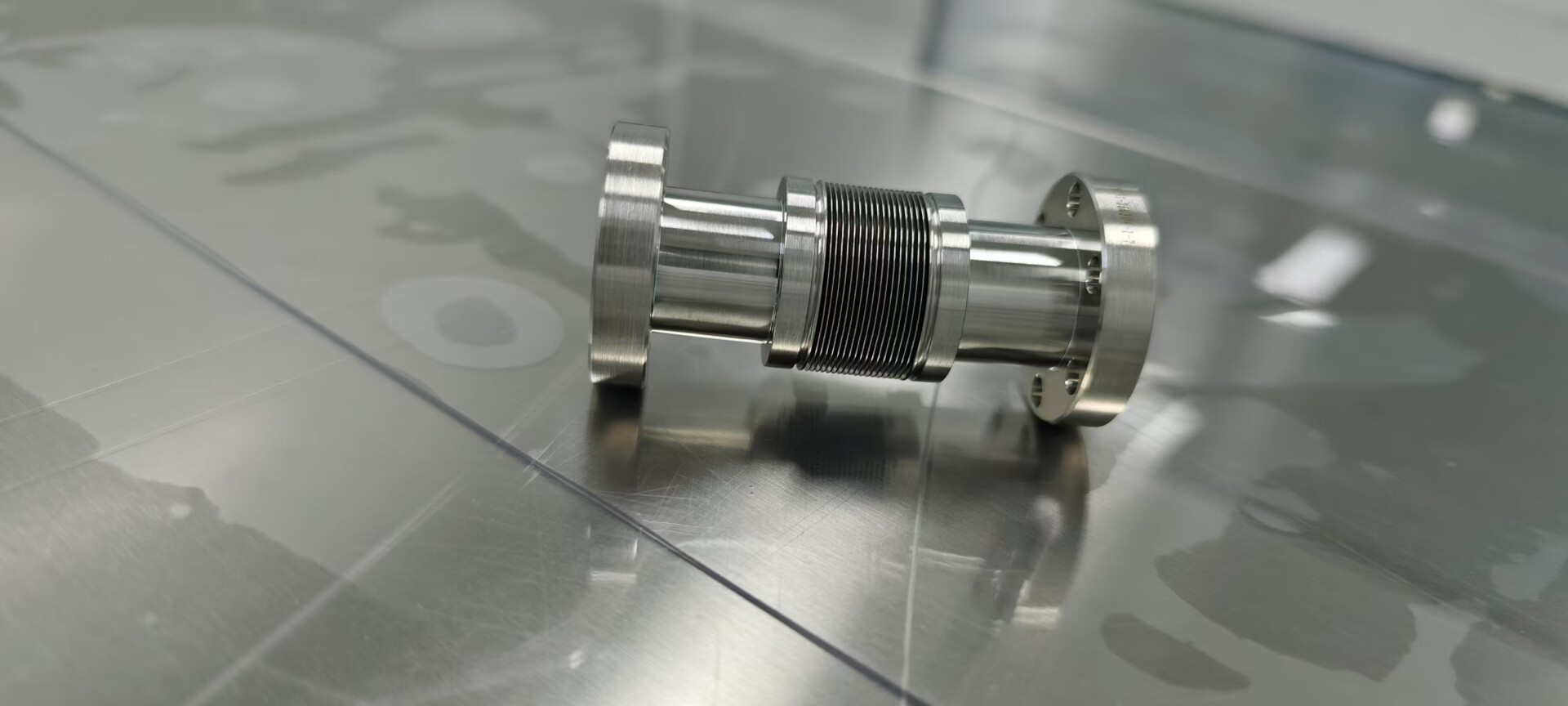
On July 22, 2026, KnowMade reported that solid-state Li-ion battery patent filings surged in the second quarter of 2026, led by CATL, Gotion, POSCO and Chery, with more than 2,250 new applications in the quarter. The filing wave tracks a manufacturing reality that most coverage skips: the scale-up of solid-state cells — sulfide and oxide electrolytes, thin-film cathodes, lithium-metal anodes — is a vacuum manufacturing problem. And inside every vacuum line for battery materials sit edge welded bellows: sealing the transfer robots, the deposition chambers, and the valves that keep moisture out of chemistries measured in parts-per-billion.
Batteries and vacuum have never been obvious partners. In the solid-state era, they are inseparable.
Why Solid-State Cells Need Vacuum Production
Sulfide electrolytes such as Li6PS5Cl decompose on contact with moisture, and lithium-metal anodes oxidize in air. Every process step after precursor synthesis must run in dry, inert or vacuum environments, from powder handling to electrolyte pressing to cathode deposition. Oxide-based thin-film cells are even more demanding: they are built by sputtering and evaporation in vacuum chambers, layer by nanometer-scale layer, exactly as semiconductor films are. The manufacturing insight from Q2 2026’s patent wave is that the industry has stopped arguing about chemistry and started filing equipment patents — much of it vacuum equipment.
Where Bellows Appear in a Battery Vacuum Line
1. Dry-room and glove-box isolation
Between dry rooms (dew point below -60°C) and glove boxes, materials move through airlocks and transfer chambers. Bellows-sealed edge welded bellows isolate the moving transfer mechanisms — the same architecture that moves wafers in semiconductor fabs, analyzed in our wafer handling robot guide, now moving cathode foils and electrolyte pellets instead.
2. Thin-film deposition chambers
Sputter and evaporation tools for oxide electrolytes and cathode layers use large vacuum chambers with bellows-sealed shutters, substrate stages and service doors. Each motion crosses the vacuum boundary through welded metal bellows rated for semiconductor-grade cleanliness — the component physics from our vacuum feedthrough and design guide portfolio applied to 8 m²-class battery coaters.
3. Gas and moisture control valves
Argon-purged transfer lines and high-purity gas panels rely on bellows-sealed valves to hold moisture at single-digit ppb. The valve engineering is the same as our slit valve and gate valve analysis, sized for gas manifolds instead of process chambers.
4. Roll-to-roll and sheet handling
Scaled battery lines are moving to roll-to-roll vacuum processing. Web transport rolls, dancer arms and tensioning systems all pass through the vacuum wall on bellows — a motion-seal load far beyond what formed bellows can deliver at the same envelope, which is why edge welded designs dominate.
Patent Signals and Capacity Builds
The KnowMade data shows 2,250+ new applications in a single quarter across CATL, Gotion, POSCO, Chery and the rest of the field. Equipment claims inside those filings cluster around dry processing, thin-film deposition, and moisture control — the vacuum layer of the value chain. Industry analysis (SMM’s January 2026 outlook) already calls 2026 the “verification year” for scaled semi-solid installation, with all-solid pilot lines following. Every pilot line is a vacuum build.
The precedent exists in adjacent industries: vacuum-deposited perovskite solar and electrolyzer PVD coating followed the same arc — lab chemistry, then vacuum equipment patents, then pilot lines consuming bellows and feedthroughs by the hundreds. Battery makers are now walking that same curve, and material selection follows the logic of our bellows material guide: corrosion resistance against sulfide chemistry, low outgassing, and documented cleanliness.
Moisture Control at Production Scale
Scaling from pilot to production changes the moisture problem from a lab nuisance into a yield driver. A production sulfide-electrolyte line must hold the process atmosphere below 10 ppm water with single-digit-ppb gas purity at the point of use; dry rooms, transfer chambers and gas panels are specified with semiconductor-fab discipline. Every isolation valve, transfer mechanism and deposition chamber in that chain is a vacuum component — which is why battery equipment makers now buy edge welded bellows and feedthroughs to semiconductor-grade quality, with serialized leak documentation.
Alpha Technology for Battery Vacuum Lines
Alpha Technology supplies custom edge welded bellows, vacuum feedthroughs and formed bellows for battery deposition tools, dry-room transfer systems and gas panels — from lab-scale coater chambers to roll-to-roll pilot lines, all leak tested and documented. Contact our engineering team with your chamber and motion requirements.
FAQ
Why does solid-state battery manufacturing need vacuum?
Sulfide electrolytes and lithium anodes degrade in air and moisture, so material handling and deposition run in dry, inert or vacuum environments; thin-film cells are built by vacuum sputtering and evaporation.
What do edge welded bellows do in battery lines?
They seal transfer robots, deposition shutters and stages, gas-panel valves and roll-to-roll web transport where motion crosses the vacuum boundary.
What happened in solid-state patents in Q2 2026?
KnowMade reported a surge led by CATL, Gotion, POSCO and Chery, with more than 2,250 new patent applications in the quarter, much of it around dry and vacuum processing.
When will all-solid-state batteries scale?
2026 is widely treated as the verification year for semi-solid installation, with all-solid pilot lines following and thin-film cells beyond that.
Specifying bellows for a battery coater or dry line? Contact Alpha Technology with your moisture, cleanliness and cycle requirements.